Before you call the facility
Use the video transcript to write down the exact questions you want answered: what changed, who saw it, who was notified, what record exists, and what changed in the care plan afterward.
Research help for families worried about nursing home abuse or neglect
These short explainers are built for families who need a calm next step after a nursing home injury, sudden decline, pressure sore, fall, infection, medication concern, choking event, or abuse concern. Each video includes a transcript so the information can be read, saved, and shared.
How to use these videos
Nursing home abuse and neglect questions are emotional because families trusted the facility. The purpose of these videos is to slow the situation down: preserve evidence, identify the exact facility, understand what records may matter, and decide whether the next step is medical care, a complaint, an ombudsman contact, or a free attorney callback.
Use the video transcript to write down the exact questions you want answered: what changed, who saw it, who was notified, what record exists, and what changed in the care plan afterward.
A short video can help you organize the facility name, injury, date, hospital diagnosis, photos, and documents so the callback starts with facts instead of panic.
The same facts can help with an ombudsman contact or state complaint: dates, names, injuries, witnesses, facility responses, and records requested.
Videos and transcripts give relatives a shared checklist so one person is not carrying the whole burden of remembering what happened.
Save the facility name, city, approximate incident date, photos, hospital papers, discharge instructions, medication list, names of staff or witnesses, facility messages, and a dated family timeline. If the issue involves a fall, pressure injury, infection, dehydration, malnutrition, aspiration, medication error, elopement, assault, or death after decline, those records help a reviewer understand whether the facility knew the risk, followed the care plan, and responded quickly enough.
A video should never be the only place a family gets an answer. That is why every video topic should point back to a deeper page on the site: a warning-sign guide, lawsuit issue page, question page, facility profile, inspection guide, or evidence checklist. The video creates the first calm step. The written page gives the sources, records, public-data context, and practical checklist.
Families can also use transcripts as notes. Copy the key questions into a document, add the resident's dates, and attach the records you already have. If a callback is requested, that organized summary helps the intake team understand whether the issue involves serious harm, an urgent safety concern, a reporting path, or a potential nursing home abuse or neglect review.
The video library should eventually mirror the main money clusters: falls and fractures, bed sores and wound care, sepsis and infection, dehydration and malnutrition, medication errors, aspiration and choking, elopement, abuse, wrongful death, and how to read facility records. Each video should be short enough for a stressed family member to finish, but tied to a full written page for deeper research.
A good nursing home video should be gentle but specific. It should not sound like a commercial first. It should tell the family what to save, what to ask, what warning signs deserve urgent care, and why a free attorney callback may be appropriate only when there is serious harm or a meaningful records question. The tone matters because many viewers are watching while worried about a parent or spouse.
When we publish social clips, the description should link back to the most relevant page on Senior Justice Help. A fall clip should link to a fall or fracture page. A bedsore clip should link to pressure injury guidance. A sepsis clip should link to infection and sepsis content. That way the video creates awareness, and the site provides the deeper answer.
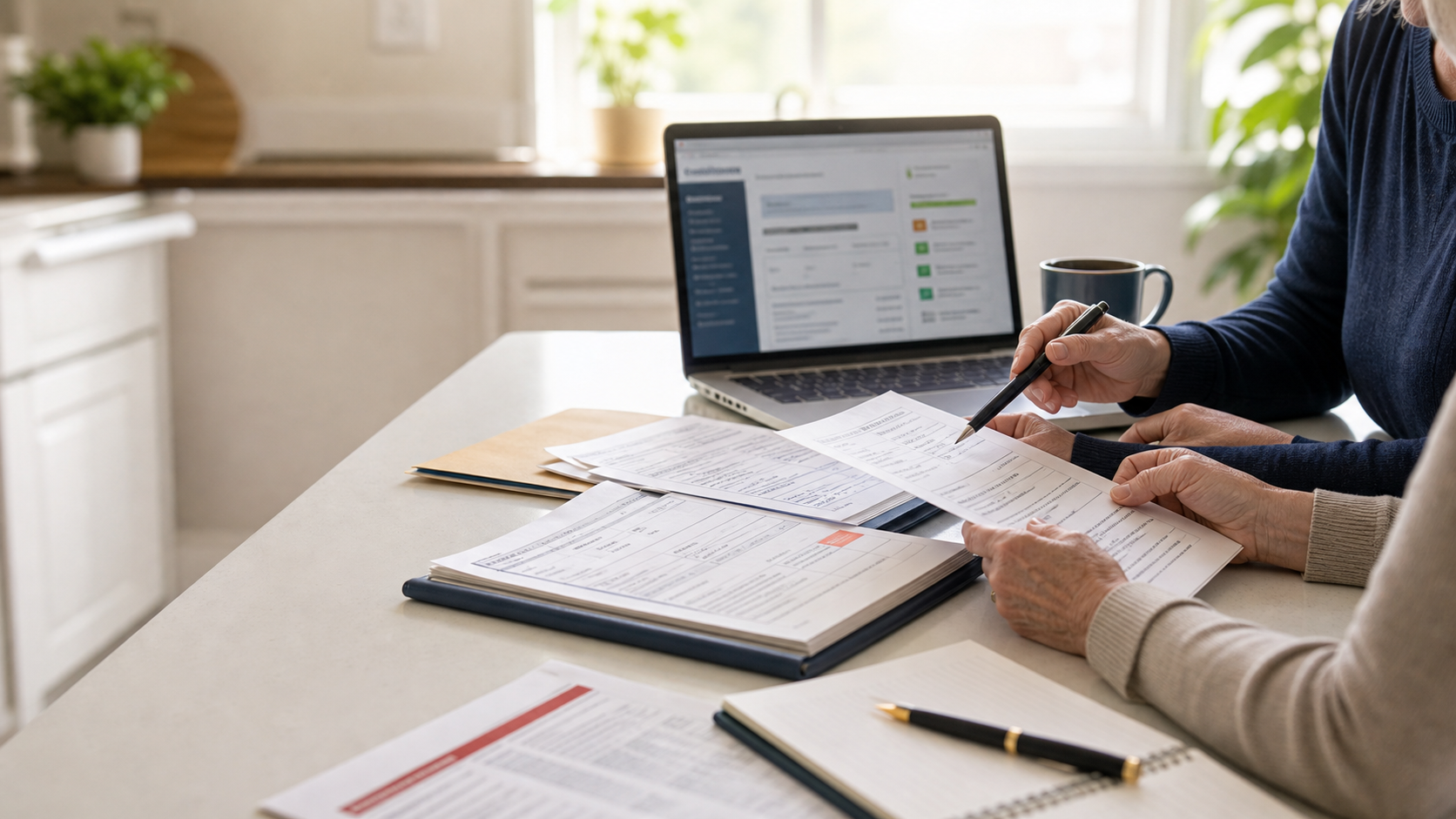
A short explainer covering photos, timelines, care plans, wound records, fall reports, and inspection data.
If you suspect nursing home neglect, write a timeline, save photos, request care plans and medical records, document staff conversations, and look up the facility's inspection history. Seek urgent help if the resident is in danger.